
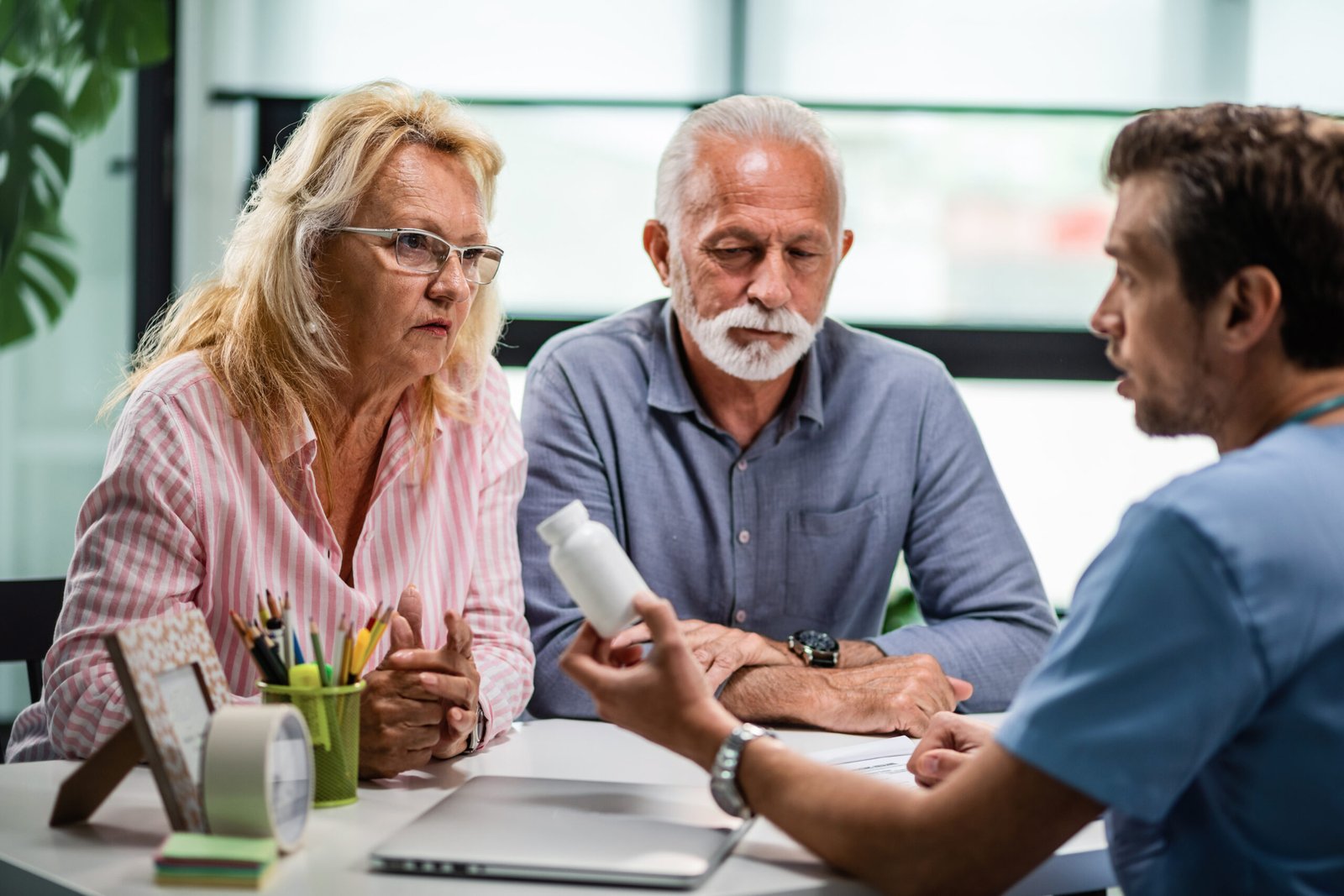
As life expectancy continues to rise across the globe, the importance of specialized healthcare for older adults has become more significant than ever. Aging is a natural process, but it brings with it unique medical, emotional, and social challenges. This is where geriatrics comes into play—a specialized branch of medicine dedicated to the health and well-being of elderly individuals.
Healthcare providers at institutions like Liv Hospital focus on delivering comprehensive care tailored specifically to the needs of aging populations, ensuring that patients maintain both quality of life and independence.
What Is Geriatrics?
Geriatrics is a medical specialty that deals with the prevention, diagnosis, treatment, and management of diseases and conditions commonly associated with aging. Unlike general medicine, geriatrics takes a holistic approach, considering not just physical health but also mental, emotional, and social factors.
The goal of geriatrics is not only to treat illnesses but also to promote healthy aging, enhance functionality, and support independence for as long as possible.
Why Geriatrics Matters
As people age, their bodies undergo various physiological changes. These changes can increase vulnerability to chronic diseases, mobility issues, and cognitive decline. Geriatrics addresses these challenges by offering personalized care plans designed to meet the complex needs of older adults.
Some key reasons why geriatrics is essential include:
- Managing multiple chronic conditions simultaneously
- Reducing the risk of hospitalizations
- Improving overall quality of life
- Supporting mental and emotional well-being
Specialized care ensures that older adults receive appropriate treatments without unnecessary interventions or medication complications.
Common Health Issues in Geriatrics
Geriatric patients often experience a range of health conditions that require careful evaluation and management.
1. Cardiovascular Diseases
Conditions such as hypertension, heart disease, and stroke are common among older adults. Proper management is critical to prevent complications. Detailed care strategies, like those outlined in GERIATRICS Overview and Definition, help patients maintain stable blood pressure and heart health.
2. Cognitive Disorders
Diseases such as Alzheimer’s and dementia affect memory, thinking, and behavior. Early diagnosis plays a crucial role in slowing progression and improving patient care.
3. Mobility and Bone Health Issues
Osteoporosis, arthritis, and muscle weakness can lead to falls and fractures, significantly impacting independence.
4. Diabetes and Metabolic Disorders
Older adults often struggle with managing blood sugar levels, which can lead to complications if not properly monitored.
5. Sensory Impairments
Hearing and vision loss are common and can affect communication, safety, and overall quality of life.
The Holistic Approach in Geriatric Care
One of the defining features of geriatrics is its comprehensive, patient-centered approach. Instead of focusing on a single disease, geriatric care considers the whole individual.
Comprehensive Assessment
A geriatric evaluation typically includes:
- Medical history review
- Medication assessment
- Cognitive and mental health evaluation
- Functional ability testing
This helps doctors create a complete picture of the patient’s health.
Medication Management
Older adults often take multiple medications, increasing the risk of side effects and drug interactions. Geriatric specialists carefully review prescriptions to ensure safety and effectiveness.
Preventive Care
Preventive strategies play a major role in geriatrics. Regular screenings, vaccinations, and lifestyle adjustments can help reduce the risk of serious health issues.
The Role of Family and Caregivers
Family members and caregivers are essential in supporting elderly individuals. They often assist with daily activities, medication management, and emotional support.
Effective communication between healthcare providers, patients, and caregivers ensures better outcomes. Education and guidance help caregivers understand how to manage specific conditions and respond to emergencies.
Mental and Emotional Well-Being
Aging is not just a physical process—it also affects mental and emotional health. Loneliness, depression, and anxiety are common among older adults, especially those living alone or dealing with chronic illnesses.
Geriatric care emphasizes:
- Social engagement
- Mental health support
- Community involvement
Encouraging participation in social activities and maintaining strong relationships can significantly improve emotional well-being.
Technology in Geriatric Healthcare
Modern healthcare technologies are transforming the way geriatric care is delivered. From telemedicine to wearable health devices, these innovations make it easier to monitor and manage health conditions.
Examples include:
- Remote patient monitoring
- Digital health records
- Fall detection devices
- Medication reminder apps
Institutions like Liv Hospital integrate advanced technologies into their care systems, ensuring accurate diagnosis and efficient treatment.
Promoting Healthy Aging
Healthy aging is a key focus in geriatrics. It involves adopting habits that support long-term physical and mental health.
Here are some essential tips:
- Maintain a balanced and nutritious diet
- Stay physically active
- Engage in mental exercises
- Get regular health check-ups
- Build strong social connections
Small lifestyle changes can have a significant impact on overall well-being.
When Should Someone See a Geriatric Specialist?
While general practitioners can manage many health conditions, there are situations where a geriatric specialist is more appropriate.
Consider consulting a geriatrician if:
- Multiple chronic conditions are present
- There are frequent hospital visits
- Memory issues or cognitive decline appear
- Daily activities become difficult
- Medication management becomes complex
Early intervention can prevent complications and improve quality of life.
Final Thoughts
Geriatrics is an essential field of medicine that focuses on the unique needs of aging individuals. By combining medical expertise with compassionate care, it helps older adults live healthier, more independent lives.
Understanding the principles of geriatrics empowers individuals and families to make informed healthcare decisions and prepare for the challenges of aging.
For those interested in enhancing their overall well-being and lifestyle alongside medical care, platforms like live and feel provide valuable insights into maintaining a balanced and fulfilling life.