
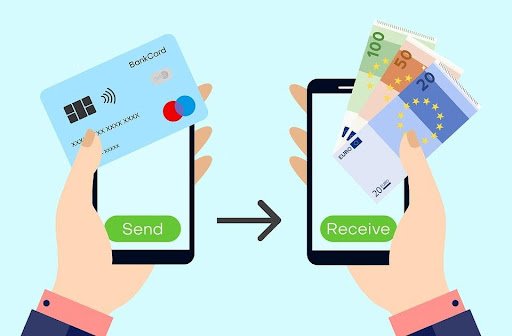
How to Transfer Money Abroad Safely and Efficiently
Knowing how to transfer money abroad safely is important when sending money to family, paying international businesses, supporting someone overseas, or managing finances while travelling.
International transfers are easier than they were a few years ago. Banks, specialist money-transfer companies, digital platforms, and mobile apps can all provide international transfer services.
However, the cheapest-looking option is not always the cheapest.
A provider may advertise a low or zero transfer fee while making money through the exchange rate. Other costs can also come from intermediary banks, recipient banks, taxes, card payments, or cash withdrawal services.
The safest approach is to compare the total cost, exchange rate, delivery time, security features, and amount the recipient will actually receive before sending money.
1. Choose a Reliable International Money Transfer Provider
The first step in learning how to transfer money abroad safely is choosing a trustworthy provider.
Depending on your country and destination, your options may include:
- Banks and credit unions
- Licensed money-transfer companies
- Specialist international payment providers
- Mobile money-transfer apps
- Digital wallets
- Cash-pickup services
Do not choose a provider based only on an advertisement.
Check whether the company is properly authorised or regulated in the country where it operates. Also check its customer-support options, transfer limits, cancellation policy, delivery methods, and security practices.
For larger transfers, reputation and regulatory status can be particularly important.
Compare the Total Cost
Do not compare providers using the transfer fee alone.
A useful comparison looks like this:
| Factor | What to Check |
| Transfer fee | How much does the provider charge? |
| Exchange rate | What rate will actually be used? |
| Exchange-rate markup | Is the provider adding a spread? |
| Recipient fees | Could another bank or intermediary deduct money? |
| Taxes | Are local taxes applicable? |
| Delivery time | When will the recipient receive the money? |
| Payment method | Does paying by bank, card, or wallet change the cost? |
| Cancellation | Can you cancel or amend the transfer? |
Consumer-protection guidance in the United States specifically highlights fees, taxes, exchange rates, total cost, and the amount received as important information to review before a remittance transfer.
2. Check the Exchange Rate Before Sending Money
The exchange rate can have a major effect on an international money transfer.
Suppose you are sending money in USD and the recipient will receive EUR. A provider might charge a small upfront fee but offer a less favourable USD-to-EUR exchange rate.
Another provider might charge a higher visible fee but offer a better exchange rate.
Therefore, compare how much the recipient will actually receive, rather than simply choosing the service with the lowest advertised fee.
Watch for Exchange-Rate Markups
The difference between a reference or market exchange rate and the rate offered to you can represent an additional cost.
This is why “zero-fee” or “no-fee” promotions should be examined carefully. A transfer can have no obvious fee while still costing more through the exchange rate.
The CFPB has specifically warned that international transfers advertised as “free” or “no fee” can be misleading when costs are included through exchange-rate spreads or other charges.
3. Compare How Much the Recipient Will Receive
One of the easiest ways to compare an international money transfer is to enter the same amount into several providers.
For example, imagine you want to send $1,000.
| Provider | Transfer Fee | Exchange Rate | Recipient Receives |
| Provider A | $5 | Rate A | Amount A |
| Provider B | $0 | Rate B | Amount B |
| Provider C | $8 | Rate C | Amount C |
The provider with a $0 fee is not automatically the best choice.
The most useful number is the final amount received after applicable fees, exchange-rate conversion, and other disclosed deductions.
Also check whether the recipient’s bank or another intermediary can deduct additional charges. In some cases, the recipient can receive less than the sender expected because of third-party fees or taxes.
4. Confirm the Recipient’s Information
Entering incorrect recipient information can delay a transfer or send funds to the wrong destination.
Before confirming the transaction, carefully check:
- Recipient’s full legal name
- Bank account number or equivalent account details
- Bank name
- Routing, SWIFT/BIC, IBAN, or other required information
- Recipient’s country
- Receiving currency
- Phone number, if required
- Payment reference, if required
Do not rely solely on information copied from an old transaction.
Bank details can change. A scammer can also send fake payment instructions.
For business payments, confirm any change in bank details through a separate trusted communication channel.
5. Use Strong Security When Sending Money Online
A secure money-transfer service should use appropriate security controls to protect customer accounts and transactions.
As a customer, you should also protect your own account.
Use:
- A unique, strong password
- Two-factor authentication where available
- Device security and screen locks
- Updated banking and money-transfer apps
- Secure internet connections
- Transaction notifications
- Account alerts
Never share a one-time password, authentication code, PIN, or password with another person.
Be especially careful if someone contacts you unexpectedly and asks you to send money urgently.
6. Watch for International Money Transfer Scams
Scammers frequently use urgency and impersonation to convince people to send money.
Common examples include:
- Fake family emergencies
- Impersonation of friends or relatives
- Fake investment opportunities
- Romance scams
- Fake online sellers
- Business payment scams
- Fake government or tax requests
- Fraudulent job offers
- Account takeover attempts
If someone suddenly asks for money, stop and verify the request.
Do not trust a message simply because it appears to come from a familiar name or profile.
Contact the person through a phone number or communication method you already trust. Do not use the contact details supplied in the suspicious message.
7. Check the Transfer Speed
International transfers can arrive at different speeds.
Some transactions may be completed quickly. Others can take several business days.
The delivery time can depend on:
- Destination country
- Sending and receiving currencies
- Payment method
- Banking networks
- Compliance checks
- Weekends and public holidays
- Transfer type
- Recipient bank
Never assume that an advertised “instant” transfer means the recipient will always have access to the funds immediately.
Regulators have warned providers against making misleading claims about transfer speed.
If the payment is urgent, check the estimated availability date before confirming it.
8. Save the Receipt and Tracking Information
After completing an international transfer, save the transaction details.
Keep:
- Transfer confirmation
- Transaction or reference number
- Amount sent
- Exchange rate
- Fees
- Recipient details
- Expected delivery date
- Provider contact information
This information can help you track the transaction or report a problem.
If you notice an error, contact the provider as soon as possible. In the United States, qualifying remittance transfers have specific disclosure, cancellation, and error-resolution protections, although the rules vary by transaction and provider.
Consumers in other countries should check the protections provided by their local financial regulator.
9. Be Careful With Large International Transfers
Large transfers require additional planning.
Before sending a significant amount, check:
- Whether the provider supports the required amount.
- Whether additional identity verification is required.
- Whether the recipient’s bank has receiving limits.
- Whether taxes or reporting requirements apply.
- Whether the exchange rate can be locked.
- Whether the transfer can be cancelled.
- Whether the recipient can receive the full amount.
For a large transaction, do not assume that the same provider that works well for a small transfer will offer the best rate or conditions.
Safest Way to Send Money Internationally: A Simple Checklist
Before pressing Send, use this checklist:
✓ Verify the provider
Is it legitimate, regulated, and appropriate for your destination?
✓ Compare the total cost
Look beyond the advertised transfer fee.
✓ Check the exchange rate
Find out exactly which rate will be applied.
✓ Confirm the amount received
Make sure you know how much the recipient should receive.
✓ Verify recipient details
Check every account and banking detail carefully.
✓ Secure your account
Use strong authentication and never share security codes.
✓ Check delivery time
Do not assume international transfers are always instant.
✓ Watch for scams
Verify unexpected or urgent requests independently.
✓ Save the receipt
Keep the transaction reference until the recipient confirms receipt.
Frequently Asked Questions
What is the safest way to transfer money abroad?
The safest way to transfer money abroad is to use a legitimate, appropriately regulated bank or money-transfer provider, verify the recipient’s information, use strong account security, compare the total cost, and keep the transaction receipt.
What is the cheapest way to send money internationally?
There is no single cheapest provider for every country and currency. Compare the total amount paid and the final amount received, including transfer fees and exchange-rate costs.
Is a bank or money-transfer service better?
It depends on the transfer. Banks can be convenient, especially when you already have an account, while specialist providers may offer different pricing, delivery methods, or exchange rates. Always compare the complete transaction cost.
Are international money transfers safe?
They can be safe when you use a legitimate provider and verify all transaction details. The biggest risks often come from scams, account compromise, incorrect recipient information, and hidden or poorly understood costs.
Can I cancel an international money transfer?
Cancellation rules depend on the provider, transfer type, destination, and whether the recipient has already received the funds. Check the provider’s cancellation policy before sending money.
How can I avoid money-transfer scams?
Do not send money because of an unexpected urgent request. Independently verify who is asking for the money. Never share passwords, PINs, or one-time authentication codes.
Conclusion: How to Transfer Money Abroad Safely
Knowing how to transfer money abroad safely is about more than finding the lowest advertised fee.
You should compare the complete cost, exchange rate, amount the recipient will receive, delivery time, provider security, and cancellation options.
Always verify recipient information before confirming the transaction. Be cautious with unexpected requests for money. Use two-factor authentication and protect your account credentials.
Most importantly, do not assume that a “free” or “instant” international money transfer is actually free or instant. Check the final cost and expected delivery information before you pay.
With these steps, you can make international money transfers safer, more transparent, and more efficient.
Disclaimer: This article provides general educational information. International transfer rules, fees, taxes, reporting requirements, and consumer protections vary by country, provider, currency, and transaction type. Check the applicable rules and provider terms before sending money.