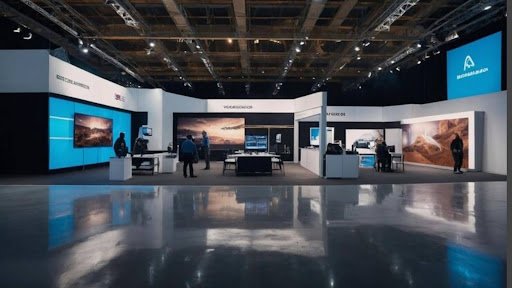
Trade shows are a substantial expenditure of booth space, exhibit design, travel, personnel, promotions, and marketing efforts. The true value of an exhibition, however, does not lie so much in the presence of an appealing exhibit on the floor as in the exposition of the thoughts and ideas of the designer. Successful exhibitors view it as a marketing process rather than just a one-off event, and they use it as a platform for follow-up marketing activities after the show. This journey has been further enhanced by virtual trade show exhibits, which provide another opportunity to link the physical event experience with digital engagement. The best exhibition tactics set clear objectives, attract the right prospects before the exhibition, generate impactful interactions during the show, and follow up efficiently afterward. Research and industry best practices point to the need to capture and qualify leads, own them, follow up, and measure the pipeline to determine whether a lead actually created business value.
5 Strategies High-Performing Exhibits Use to Maximize Trade Show ROI
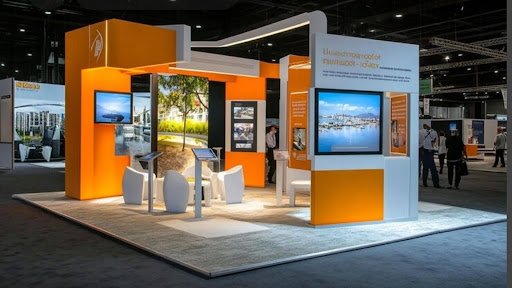

Set Measurable Objectives Before the Exhibition
The first step in a successful trade show exhibit isn’t just building an exhibit; it’s setting goals first. While goals like lead generation, product launches, account expansion, brand awareness, customer meetings, and pipeline acceleration can all be legitimate, they all call for various preparations and measurements.
A practical strategy sets clear objectives beforehand, in the context of events, like qualified conversations, meetings set, target accounts engaged, opportunities influenced, or revenue generated. Research of the attendees can then be used to determine key audiences for those objectives.
Pre-event targeting also opens the door to arranging meetings in advance of the exhibition. This puts the trade show into action instead of a passive foot traffic stunt and makes it a business development campaign.
Build Anticipation Before Visitors Reach the Booth
It is rare for a successful exhibit to be dependent on visitors walking through the exhibit. Pre-event communication can serve as a way to introduce the brand, showcase the products/demonstrations, and provide a reason for prospects to visit.
These marketing methods can help create awareness in the weeks leading up to the show: email campaigns, social media announcements, personalized outreach, event landing pages, and appointment scheduling options. The messaging should clearly convey the location of the booth, the time of the event, and why they are coming.
An exhibition team can also prepare and inform the discussion ahead of time through the use of a targeted pre-show strategy. The information about who might show up will help focus booth staffing and lead qualification efforts.
Turn Booth Traffic Into Qualified Conversations
With a large number of visitors, you can do some great activity, but traffic is not evidence of ROI. Good exhibits open the door to productive discussions and gather enough information to identify who is a real prospect for business.
Staff training needs to have clear qualification criteria, which should include factors such as customer needs, purchasing authority, time frame, company fit, and what comes next. Lead capture forms need to be geared towards data that the sales and marketing team can leverage.
Allowing visitors to engage in interactive activities, experience a product, hear an educational presentation, and enjoy areas of comfort for discussion will help keep the public engaged and talking about specific challenges. It is not just about getting contact details; it’s about establishing a clear path between the visitor’s needs and the next step in the relationship.
Follow Up While the Conversation Is Still Fresh
Exhibitions don’t just stop when the exhibits get removed from the stall. Post-event follow-up is one of the key moments to turn event interactions into tangible business results.
Leads need to be promptly transferred to the right CRM system, assigned to the right owners, and qualified and prioritized based on the level of urgency. Personalized communication based on the conversation, product interest, or next step that was discussed at the booth is given extra weight for high-priority prospects.
The context of the interaction is maintained with fast follow-up. The standard time frame for completing a lead transfer is about 24 hours, and focus should be given to qualified prospects.
Automated nurture sequences can nurture lower-priority contacts, and salespeople can dedicate immediate attention to contacts with stronger buying signals.
Measure the Full Journey and Improve the Next Event
Finally, a trade show should be considered as an investment in the business and not as an event cost. While it is helpful to understand booth traffic, a more robust ROI analysis adds value to event activity by moving the needle to qualified leads, meetings, opportunities, pipeline, and ultimately revenue.
Some key metrics include total event spend, cost per qualified lead, meetings generated, opportunities influenced, pipeline created, conversion rates, and revenue credited to the event. Comparisons should be made with the original goals set prior to the show.
Another review after the event may also include a look at booth activity, messages discussed, leads received, qualified leads, and the places leads were not followed up. The documentation of these findings establishes a feedback mechanism to streamline and focus the next exhibitions.
End Point
Impressive booths aren’t the only factors that determine ROI at a trade show. Effective exhibitors integrate pre-event targeting, powerful on-floor experiences, solid lead qualification, and proper follow-up into a seamless process and then track it all! Planned and measured, exhibitions are more than passing brand displays; they’re repeatable branding opportunities to build relationships, pipeline, and measurable business growth.