What Is Link Building?
Link building is acquiring hyperlinks from other reputable websites to your own. This foundational SEO practice signals to search engines that your content is valuable, trustworthy, and worth ranking. Google’s algorithm employs backlinks as a core ranking factor, considering them “votes of confidence” from one site to another. Effective SEO hinges on ethical, high-impact link-building efforts focusing on growing your online authority.
Understanding the difference between white-hat and black-hat tactics is crucial. White-hat link building aligns with search engine guidelines by prioritizing high-quality, relevant links earned through value-driven content and relationships. Conversely, black-hat methods—such as link schemes or spammy directories—may deliver fast results but pose significant risks in the long term, including manual penalties and slipping rankings. For organizations seeking ethical and scalable link-building solutions, it’s wise to check out Vazoola.com for expert guidance and services.
How Link Building Has Changed in Recent Years
The link-building landscape is changing rapidly due to frequent Google algorithm updates. Search engines have shifted their focus from the sheer volume of links to the quality and relevance of each backlink. Tactics that once produced results, like mass guest posting or automated link exchanges, are more likely to trigger penalties than pay off. As covered by industry leaders at Search Engine Land, keeping up with search engine updates and best practices has never been more critical.
Quality now outweighs quantity—just a few links from industry-leading domains can drive far greater rankings and visibility than hundreds of low-value backlinks. Outdated approaches, such as private blog networks or paid links from irrelevant sites, are now strongly discouraged. Maintaining a proactive posture to adapt to algorithmic shifts and shifting industry standards is essential for long-term digital success.
Why Link Quality Matters More Than Ever
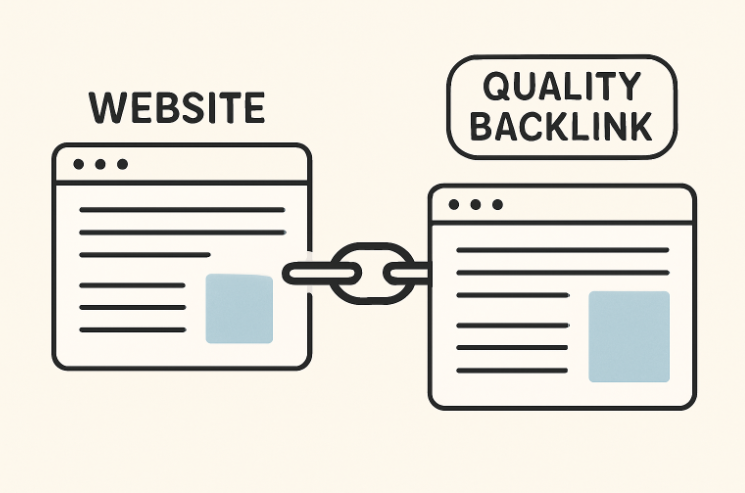
Not all backlinks are created equal. A high-quality link typically comes from a reputable site relevant to your niche, with substantial organic traffic, and is naturally placed within valuable content. Link quality is measured not only by Domain Authority, but also by relevance, editorial standards, and the likelihood that users will engage with the linked content.
Recent research from leading sources, such as Ahrefs’ blog on link quality, highlights that top-performing pages almost consistently earn backlinks from authoritative, contextually relevant domains. For example, a SaaS company that secures editorial mentions from TechCrunch or Forbes will likely outrank competitors relying on low-quality links. Case studies consistently demonstrate that a handful of high-authority links can surpass the SEO impact of dozens of irrelevant backlinks.
Modern Link Building Strategies
Effective link building in 2024 blends tried-and-true tactics with digital innovation. Editorial links and digital PR campaigns are among the most coveted—earned through newsworthy stories, expert quotes, and long-form, data-driven content that naturally attracts media attention. Guest posting remains viable for gaining quality backlinks when focused on providing genuine value and targeting authoritative publications.
Resource page link building and broken link outreach are other strategic options. By identifying resource lists or dead links on industry sites, you can offer superior alternatives that benefit the hosting domain and build high-quality connections. Influencer outreach has also gained momentum; collaborating with niche influencers for interviews, reviews, or joint content amplifies your message and can boost your backlink profile. While automated link-building tools can streamline research and outreach, it’s essential to recognize their limitations and supplement them with tailored, personalized strategies.
Common Link Building Mistakes to Avoid
Over-optimization, such as repeated use of exact-match anchor text or building links at unnatural rates, is a red flag for search engines. It creates patterns that suggest manipulation rather than genuine endorsement. Diversifying your anchor text and ensuring each backlink placement appears organic protects your site from penalties.
Building links from irrelevant websites—those outside your niche or with poor reputations—dilutes your authority and offers minimal SEO benefit. Equally critical is maintaining balance between technical SEO and link acquisition; a technically unsound website (slow load times, broken internal links, etc.) will not reap the full rewards of a healthy backlink profile.
Measuring Link Building Success
Effective link building is measured by a mix of metrics: Domain Authority (DA), the quality and relevancy of referring domains, referral traffic, and improvements in keyword rankings. Popular tools like Ahrefs, Moz, and SEMrush help monitor acquisitions and evaluate impact.
However, it’s vital to understand the difference between correlation and causation in SEO. A rank bump may coincide with your link-building campaign, but other factors (site updates, algorithm changes, or technical fixes) can also play a role. Regular data analysis and controlled testing help attribute growth to the right efforts and maximize your strategy’s ROI.
Key Link Building Trends to Watch
In 2024, the rise of voice and AI-driven search continues to reshape how links are valued. As AI grows more adept at understanding context and authority, links embedded in comprehensive, user-friendly content tend to perform best. E-E-A-T (Experience, Expertise, Authoritativeness, Trustworthiness) is now a foundational part of Google’s ranking criteria—prioritizing authentic voices, original research, and credible authorship.
User behavior is also evolving, with greater demand for multimedia content and concise, actionable insights. Successful link building increasingly rewards brands that align their outreach efforts with evolving content formats and consumer search preferences, as highlighted in Search Engine Journal’s report.
The Future of Link Building
Seasoned SEO professionals predict that while Google’s algorithm will only get smarter at detecting unnatural patterns, human-driven creativity and authentic relationship building remain irreplaceable. Successful brands will balance ongoing algorithmic shifts with personalized outreach and long-term, trust-based content strategies.
The most resilient link-building strategies focus on earning genuine recognition, providing valuable resources, and nurturing ongoing partnerships in your industry. By prioritizing quality, authenticity, and adaptability, your backlink profile will continue to fuel sustainable growth, even as search engine standards evolve.